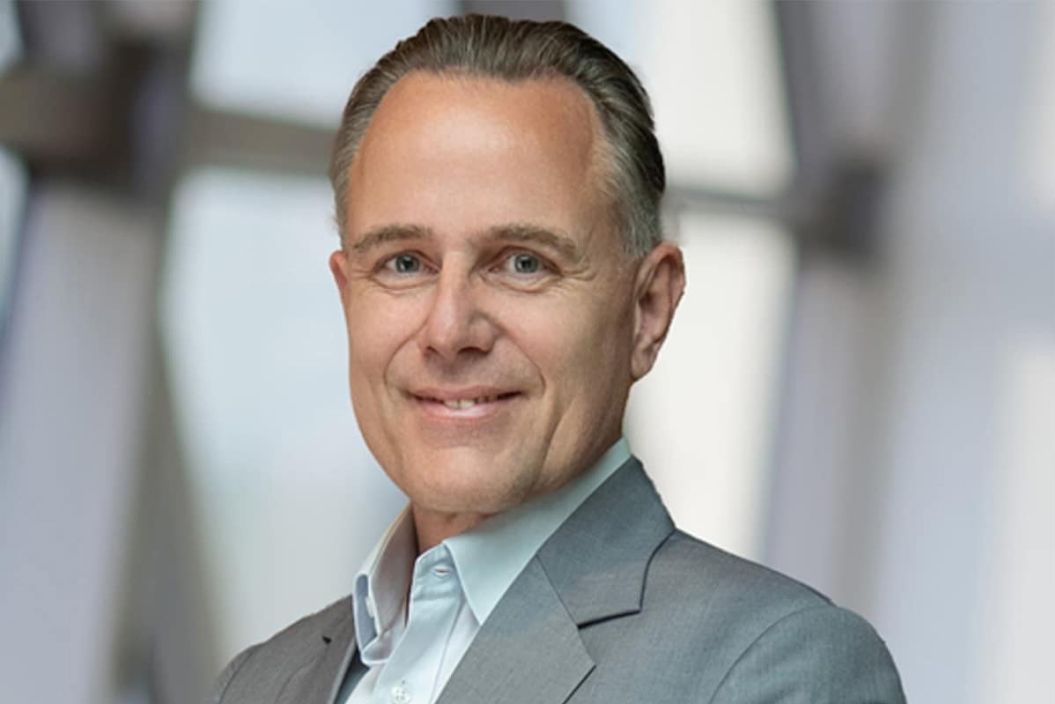

In just nine months at the helm of United Hospitality Management (UHM), Klaus Assmann has wasted no time setting a decisive course.
A 38-year industry veteran, Assmann stepped into the CEO role for the Middle East, India and Southeast Asia at a pivotal moment, tasked with building an operational platform capable of scaling across markets without diluting standards.
Today, UHM oversees six operating hotels across MENA, comprising more than 1,000 keys and holiday home units, supported by a workforce of over 1,500. With 10 additional properties confirmed and an ambition to manage 100 business units globally by 2030, the focus is clear.
“Our goal of managing 100 hotels globally by 2030 is less about scale and more about the deliberate, strategic expansion of our operational excellence model,” says Assmann. “This trajectory solidifies our position as a leader in luxury and mixed-use hospitality, unlocking massive value for our stakeholders and reinforcing our long-term vision across the Middle East, India, and Southeast Asia.”
For Assmann, growth is anchored in discipline. “Our philosophy is rooted in the principle of being better before being bigger,” he adds, pointing to the group’s proprietary Excellence Hub, centralised accounting framework and Business Intelligence system, Bird, which provides real-time portfolio insights.
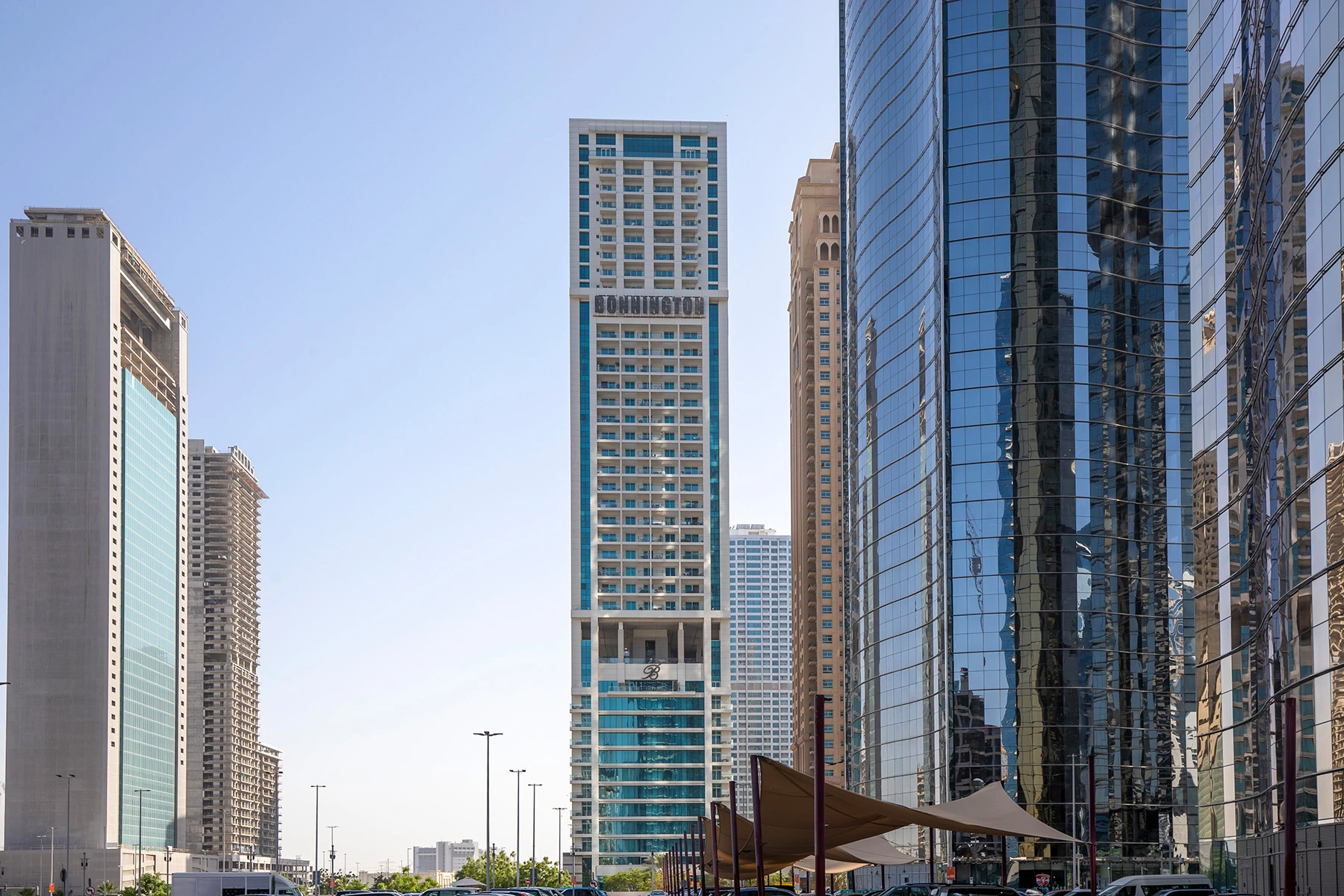
One of UHM’s most visible recent wins was its appointment as franchise operator of voco Bonnington Jumeirah Lakes Towers following its acquisition by Arzan Investment Management. Since taking over operations, the property has recorded a 30 percent year-on-year increase in RevPAR in 2025 compared with 2024, underlining the group’s focus on optimisation and asset value growth.
Complex transitions are another proving ground. Following its appointment to operate The Creekside Hotel Dubai, an Accor property set to reflag under MGallery Collection, UHM has navigated operational alignment and brand elevation simultaneously.
“Being appointed to operate The Creekside Hotel and reflag it under Accor’s MGallery Collection is a perfect example of how UHM can manage a complex transition,” Assmann explains. “We must ensure that this landmark hotel is seamlessly transitioned and that its facilities are upgraded to meet the new, high brand standards of MGallery.”
He adds: “Our transition strategy, therefore, is not to impose a generic brand but to uncover and amplify the hotel’s existing narrative including its heritage, architecture, and connection to the city’s sporting fabric and deliver it with MGallery’s stamp of luxurious, meaningful, and memorable moments.”
Since the takeover on October 1, the hotel has delivered strong commercial performance against targets and is tracking above expectations, supported by a comprehensive Property Improvement Plan.
Leadership appointments have further strengthened the platform. The addition of Panos Loupasis as VP of Development for the Middle East, Africa and Asia, and Dominic Arel as VP of Operations for the Middle East, reflects what Assmann describes as embedding “the infrastructure necessary to scale our operational excellence regionally and globally.”
Expansion into India marks another milestone, with UHM entering the market through the acquisition of Rosastays and appointing Deepika Arora as Managing Director. Assmann describes the move as an expression of the group’s “glocal” approach.
“This strategy is fundamentally about blending meticulous global operational standards with authentic local relevance,” he says. “Our role is to immediately gain those deep local market insights required and then to elevate the brand standard further, fusing our world-class expertise with these specific regional cultures, guest expectations, and local design sensibilities.”
Technology, meanwhile, is positioned as an enabler rather than a replacement for service. “We view technology not as a replacement for human interaction, but strategically, as an enabler of high-touch service and a powerful tool for elevating the human element,” Assmann notes. AI-driven efficiencies free teams to focus on meaningful guest engagement, while the Excellence Hub ensures consistent certification and service benchmarks across markets.
Sustainability is embedded into the expansion model, with compliance aligned to Dubai’s Sustainable Tourism initiative and international certifications such as Green Key and Green Globe. Renewable infrastructure, energy-efficient systems and circular practices are increasingly standard in new builds and redesigns.
Looking ahead, Assmann is unequivocal about differentiation. “By 2030, UHM will be defined as a pioneer in Human-Centric, Value-Driven Hospitality, setting a new regional benchmark,” he says.
“What truly differentiates our approach from other operators, particularly in this region, is our unwavering commitment to owner-focused value creation.”