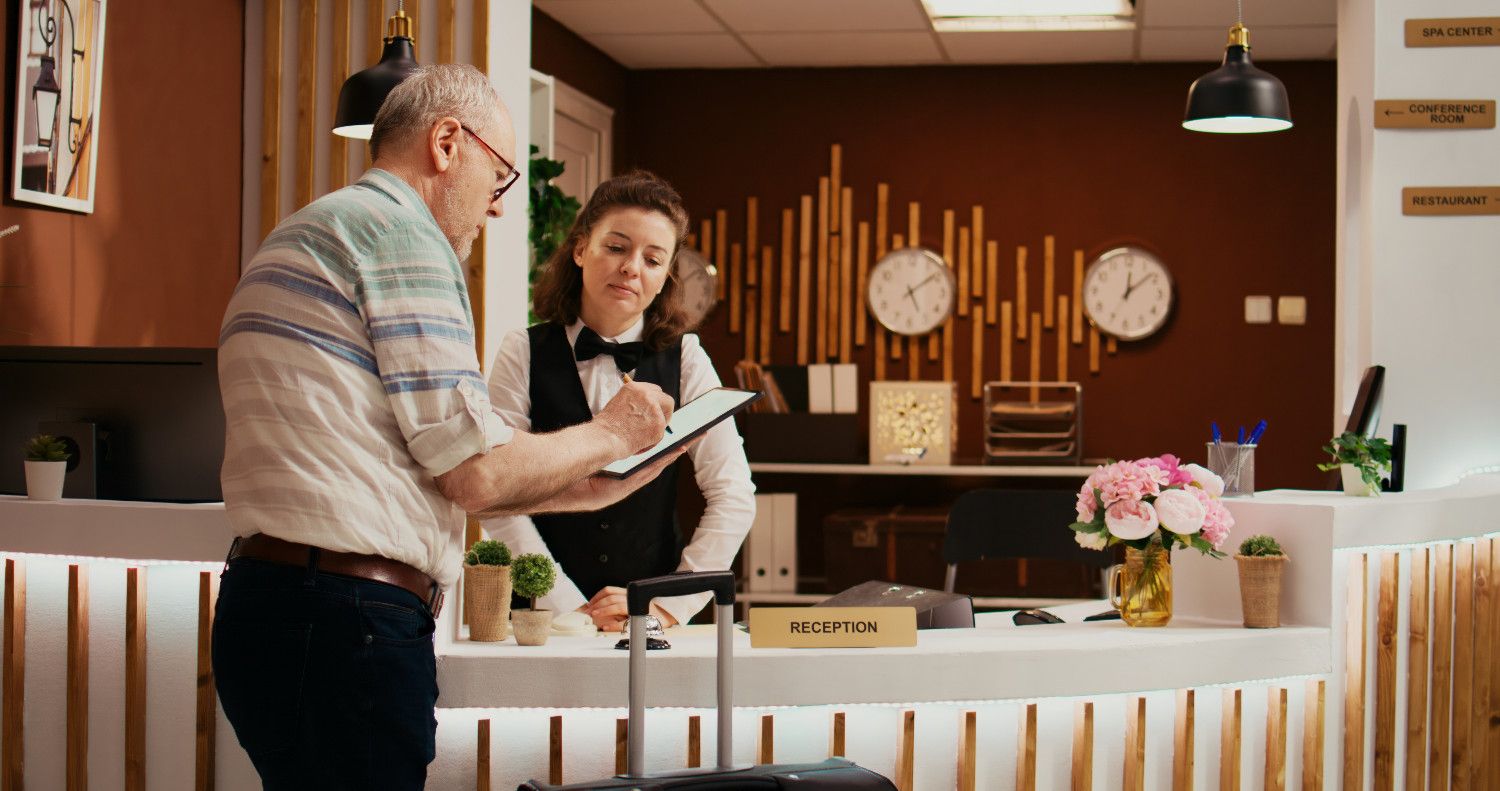
The hospitality industry is changing quickly. Modern travelers have different expectations compared to guests from a decade ago. Technology, digital convenience, and personalized experiences now shape how people choose and evaluate hotels.
However, many hotels still rely on outdated Hotel Operations and traditional Operations Models that were designed for a different era. These older systems often struggle to meet the needs of today’s connected and experience-focused travelers.
Understanding why traditional approaches are failing can help hotels adapt and remain competitive in today’s evolving hospitality landscape.
Changing expectations of modern travelers
Modern travelers look for more than simply a comfortable place to stay. They want convenience, flexibility, and personalized service throughout their stay.
Most guests now research hotels online, read reviews, and compare options before making a booking. They also expect quick responses, simple booking systems, and smooth check-in experiences.
Traditional Operations Models were built around standardized processes and manual systems. While they provided consistency, they often lack the flexibility that modern travelers expect.
When Hotel Operations rely on slow processes or disconnected systems, the guest experience can suffer. Long waiting times, limited communication, and inefficient services can quickly lead to dissatisfaction.
Modern hospitality management focuses on delivering faster, smoother, and more responsive service across the entire guest journey.
The need for personalization
Personalization has become one of the most important factors in hospitality. Guests appreciate hotels that understand their preferences and provide tailored experiences.
Traditional Hotel Operations usually follow a one-size-fits-all approach. Services are often standardized to simplify management and reduce complexity. While this method may improve operational control, it often fails to create memorable guest experiences.
Modern Operations Models focus on understanding guest behavior and preferences. Hotels can now use data and technology to personalize room settings, dining options, and service recommendations.
Simple changes such as remembering a guest’s preferred room type or offering customized experiences can make a significant difference. Hotels that fail to adopt personalization risk losing guests to competitors that provide more tailored service.
Technology is now essential
Technology plays a central role in modern hospitality. Travelers expect hotels to provide digital convenience at every stage of their stay.
Online reservations, mobile check-in, digital payments, and instant communication are now common expectations. Many traditional Hotel Operations were designed before these technologies became widely used.
As a result, some hotels still depend on manual systems and outdated processes. These limitations slow down operations and make it difficult to deliver the seamless experiences that guests expect.
Modern Operations Models integrate technology across multiple departments. Systems for reservations, revenue management, marketing, and guest services work together to improve efficiency and decision-making.
Hotels that invest in technology can respond faster to market trends, improve service quality, and create smoother guest experiences.
Breaking down operational silos
In many traditional hotel structures, departments operate independently. Sales, marketing, operations, and finance often work separately with limited coordination.
This silo-based structure can create communication gaps and reduce efficiency. When departments are not aligned, it becomes harder to deliver consistent guest experiences.
Modern Hotel Operations encourage collaboration between departments. Integrated teams can share insights, respond to challenges quickly, and improve overall performance.
Centralized services such as sales, marketing, and revenue management can also support multiple properties while maintaining operational consistency. This approach allows hotels to scale efficiently without losing flexibility in local markets.
Focus on long-term asset value
Traditional Operations Models often focus mainly on daily operations. While day-to-day management is important, it does not always address long-term financial performance.
Hotel owners and investors today expect more strategic support. They want operational strategies that increase revenue, improve efficiency, and strengthen the value of their assets.
Modern Hotel Operations combine operational management with asset management and revenue strategy. This approach helps hotels maximize profitability while maintaining strong brand positioning in competitive markets.
Strategic hospitality management also ensures that hotels remain adaptable as market conditions change.
A new approach to hospitality management
As traveler expectations evolve, the hospitality industry must adopt new operational strategies. Flexible and technology-driven Operations Models are becoming essential for long-term success.
Companies like United Hospitality Management (UHM) represent this modern approach to hospitality management. With decades of experience across Europe and the Middle East, UHM focuses on operational excellence, guest satisfaction, and long-term asset value.
UHM supports owners, developers, and investors through integrated solutions that cover development advisory, brand alignment, hotel management, and asset optimization. This comprehensive approach helps properties improve both guest experience and financial performance.
By modernizing Hotel Operations, hospitality operators can deliver more efficient services while meeting the expectations of modern travelers.
Preparing for the future of hospitality
The hospitality industry will continue to evolve as guest expectations change. Hotels that continue to rely on outdated Operations Models may struggle to stay competitive.
To succeed in the future, hotels must focus on flexibility, innovation, and guest-centered service. This includes adopting modern Hotel Operations, integrating technology, and delivering personalized experiences.
By embracing these changes and working with experienced hospitality partners such as United Hospitality Management (UHM), hotel owners can create stronger, more resilient businesses.
Modern travelers expect more from their hotel experiences. Hotels that adapt their operations to meet these expectations will be the ones that thrive in the years ahead.